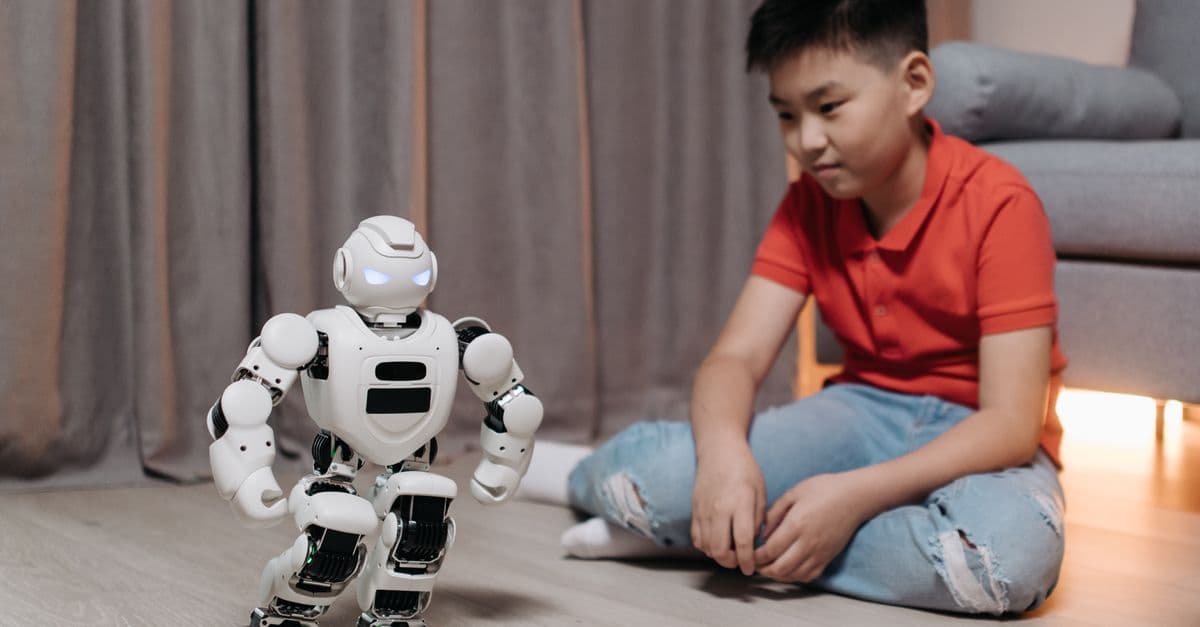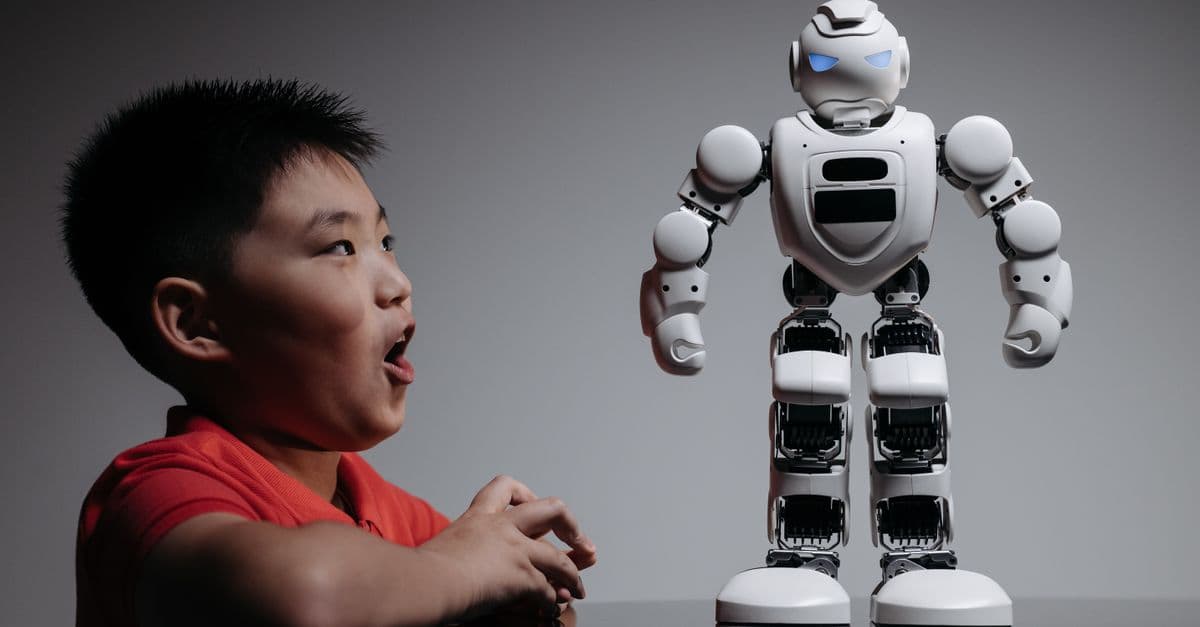
Your child is already living with AI, whether you planned it or not. It decides what videos play next, finishes their sentences as they type, powers the chatbots they bump into, and increasingly shows up in their schoolwork. The question is no longer whether kids will encounter artificial intelligence. They already have. The real question is whether they will grow up understanding it or simply being shaped by it.
That is what "AI for kids" really means, and it is worth getting right. It is not about turning your eight-year-old into a machine learning engineer. It is about a kind of literacy: understanding what these tools are, how they work, where they fail, and how to use them well. Here is a practical guide to what that looks like, when to start, and how to keep it safe.
What does AI literacy actually mean for a child?
Think back to how we treat reading. We do not teach children to read just so they can decode words on a page. We teach reading so they can understand the world, judge what they are told, and not be fooled. AI literacy is becoming the same kind of foundational skill, and it has roughly three layers.
The first layer is simply understanding what AI is. A child who is AI literate knows that the chatbot is not a person and does not actually "know" things the way a friend does. They understand, at an age-appropriate level, that it learned patterns from huge amounts of text or images and is essentially making very sophisticated predictions. That single insight changes how a child relates to the technology, from blind trust to healthy curiosity.
The second layer is using AI tools wisely. This means knowing when AI is helpful and when it is not, how to ask it good questions, and crucially, how to check its work. AI tools sound confident even when they are completely wrong, and a child who does not know this will believe whatever they are told.
The third layer, for older kids who get interested, is understanding how AI is actually built. How models learn from data, why they sometimes produce biased or unfair results, and what questions we should be asking about the technology as a society. These are not abstract worries. They are shaping laws and jobs right now.
Why does this matter more than it used to?
There is a real divide forming, and it is worth being clear-eyed about. The world is splitting into people who can direct AI and people who are simply directed by it.
A child who understands how these tools work can use them as a multiplier. They can use AI to learn faster, to help build apps and projects, to brainstorm and check ideas, all while keeping their own judgment in charge. A child who does not understand AI can only accept whatever it produces, with no ability to tell whether it is accurate, fair, or sensible. One of those children is steering. The other is a passenger.
There is also a deeper benefit hiding in AI education for kids. Learning how AI works teaches genuinely valuable thinking skills. Children who study it start to reason about probability and likelihood rather than simple right-and-wrong answers, since AI deals in "87% confident" rather than certainty. They learn to think about data, about evidence, and about the ethics of technology. These are serious cognitive upgrades dressed up as something modern and exciting.
When should kids start with AI?
The honest answer is that it depends on the layer, and you can begin the simplest one surprisingly early.
Even young children, from around six or seven, can grasp the basic idea that machines can be "taught" to recognize things. There are wonderfully simple tools where a child shows a computer a few examples, say, pictures of cats and dogs, and watches it learn to tell them apart. That is real machine learning, demonstrated in a way a young child can see and understand. It plants the seed that AI is something built and trained, not magic.
Through the middle years, around eight to twelve, kids can start using AI tools thoughtfully with supervision and can explore more hands-on projects that show how AI makes decisions. This is also the age to have ongoing conversations about not believing everything the computer says.
From around twelve or thirteen, kids who have Python basics can start learning genuine machine learning, the same concepts and even the same tools that professionals use, just at a beginner level. This is where a curious teen can move from using AI to actually understanding and building simple versions of it.
How do kids use tools like ChatGPT safely?
This is the part most parents are anxious about, and reasonably so. Tools like ChatGPT can be genuinely useful for a child's learning, helping explain a tricky concept, acting as a patient study partner, or sparking ideas. But they need guardrails. Here is the practical guidance I give parents.
Treat AI as a learning partner, not an answer machine. The danger is not that a child uses ChatGPT. It is that they use it to skip the thinking entirely, copying answers they do not understand. The goal is to use AI to learn faster, not to avoid learning. A good rule of thumb: it is fine to ask AI to explain something, and a problem to ask it to do the work you were supposed to do yourself.
Teach them that it can be confidently wrong. This is the single most important lesson. AI tools make mistakes and state them with total confidence. Kids need to internalise that AI output is a starting point to check, not a final truth. Catching the AI in an error is actually a great teaching moment, because it shows them why their own knowledge still matters.
Mind the age rules and supervise younger kids. Many AI tools officially require users to be a certain age, often thirteen or older, and younger children should only use them with a parent involved. Keep an eye on what they are sharing, too, since kids should never type personal information into these tools.
Protect their privacy and their developing judgment. Have the ongoing conversation that not everything online or from an AI is real, accurate, or kind, and that they can always come to you with anything that confuses or worries them.
What should kids actually learn about AI?
If you want to give your child a real foundation, aim for a blend rather than just teaching them to type prompts. Prompting is a useful skill, but it is also a shallow and fast-changing one, and the way you prompt a tool this year may be irrelevant next year. The lasting value is in the deeper understanding.
Far better for a child to grasp the core idea of how AI learns from data, to develop the habit of questioning and checking AI output, and, as they grow, to get hands-on with the basics of how these systems are built. That combination produces a young person who can adapt to whatever AI tools exist when they are adults, because they understand the principles underneath, not just the buttons on today's apps.
What is the bottom line for parents?
AI is not a passing trend your child can sit out. It is becoming part of the basic furniture of modern life, and the children who understand it will move through the coming decades with far more confidence and control than those who only consume it. The goal is not to make your child fear AI, and not to let them outsource their thinking to it either. It is to raise someone who can use these powerful tools wisely while keeping their own judgment firmly in charge.
That balance is exactly what we focus on at MindLeap Academy. Our live online classes for ages 6 to 16 teach kids to understand and work with AI thoughtfully, building real coding foundations first so they can command these tools rather than be at their mercy. If you want your child to grow up AI literate rather than AI dependent, you can book a free trial class and see how we make these ideas click for young learners.
See your child light up with code
Book a free 1-on-1 trial class with an expert mentor. No credit card, no commitment.
Book a Free Trial Class