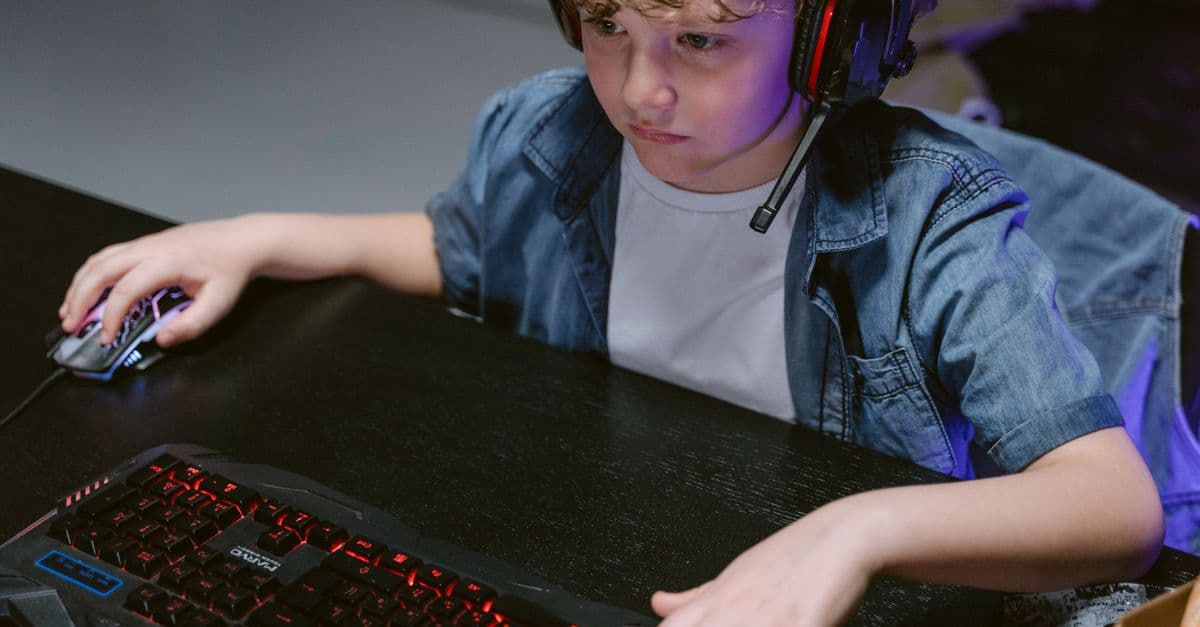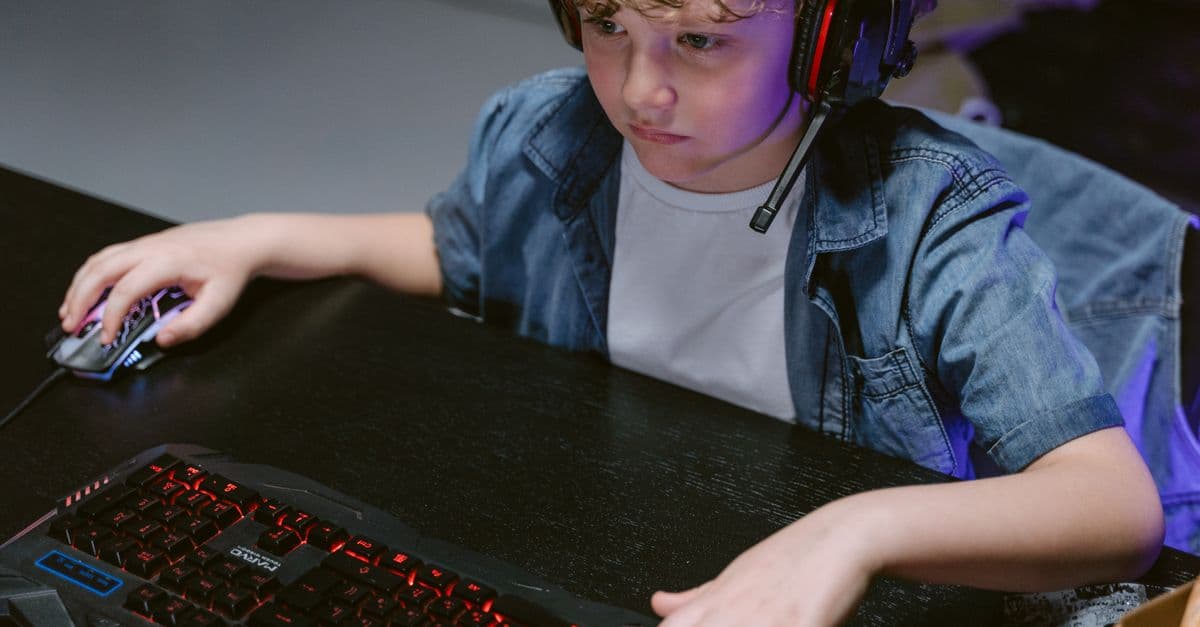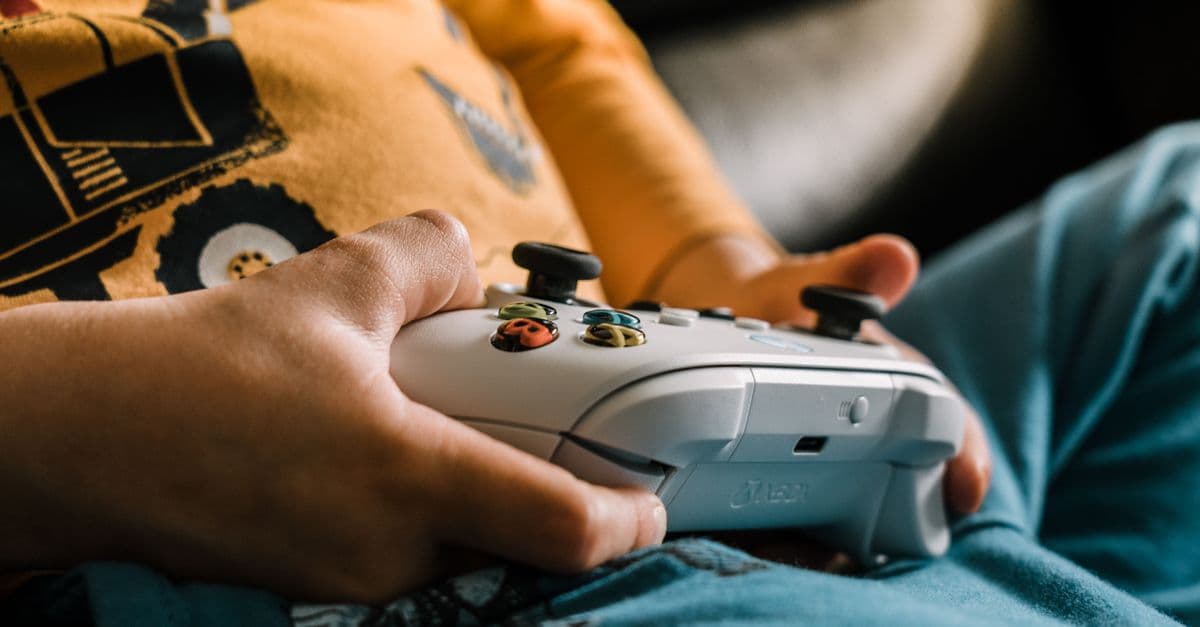
If you are reading this, there is a decent chance you have had some version of the same evening. Your child has been on Roblox or Minecraft for what feels like the entire day, you have asked them to stop more times than you can count, and you are quietly wondering whether all those hours are doing anything except melting their brain.
I want to offer you a more hopeful way to look at it, and a practical plan. Your child's obsession with gaming is not the problem you might think it is. In fact, it is one of the best on-ramps to coding that exists, and the very games frustrating you right now can become the doorway to a genuinely valuable skill. Here is how to make that turn, from passive gaming to active creating, without a fight.
What is your child's gaming actually telling you?
It is easy to see hours of gaming as pure waste, but pause on what your child is doing in there. They are solving problems, often complex ones. They are persisting through failure, dying and retrying without the slightest dent in their motivation, the exact persistence you wish they showed with homework. They are learning systems, strategising, and in games like Minecraft and Roblox, building elaborate creations. They are deeply, effortlessly engaged, which is the single hardest thing to manufacture in any kind of learning.
That engagement is the asset. The thing about gaming that worries you, that your child will do it for hours without being told, is the thing every educator dreams of harnessing. The goal is not to kill that drive. It is to point it at something that builds rather than just consumes.
What is the shift from playing games to making them?
Here is the reframe that changes everything for a lot of kids. Right now your child is on the consuming side of the screen, playing worlds and games that other people built. Coding moves them to the creating side. Instead of just playing Roblox, they can build their own Roblox game. Instead of just exploring Minecraft, they can program it to do things the normal game cannot.
This is not a bait and switch where you trick a gamer into doing math homework. The games kids love are genuinely connected to real coding, and that connection is the most natural doorway into programming I know of. A child who would roll their eyes at "learning to code" will lean right in when you say "you can make your own game."
Which games are secretly coding lessons?
A few of the most popular kids' games are practically coding platforms in disguise, which is wonderful news for parents.
Roblox is the clearest example. Roblox is not really one game, it is millions of games that players built themselves, and they built them using a real programming language called Lua. When a child moves from playing Roblox to making a Roblox game, they are writing genuine code to control how their world behaves, what happens when a player touches something, how to keep score, how to design challenges. The motivation is sky-high because the payoff is a game their friends can actually play. That is a powerful thing to dangle in front of a Roblox-obsessed kid.
Minecraft is similarly rich. Beyond the building everyone knows, Minecraft has systems that teach real logic. Redstone, the game's wiring system, is essentially an introduction to how circuits and logic gates work, the foundations underneath all computing. There are also versions and add-ons that let kids program Minecraft directly, controlling the world with actual code. For a child who has poured hundreds of hours into Minecraft, discovering they can command it with programming is electric.
Scratch, while not a game kids play in the same way, deserves a mention because it is the gentlest bridge for younger children. It is built for making games and animations, so a child who loves games can start by building simple ones of their own, dragging blocks instead of typing, and feel like a creator within the first hour.
How do you make the transition without a battle?
Knowing the doorway exists is one thing. Getting your gaming-obsessed child to walk through it is another. A few approaches genuinely work.
Start with their game, not yours. Do not march your Roblox fanatic over to some unrelated coding course about, say, building a calculator. Meet them where their passion already is. "Want to learn how to make your own Roblox game?" lands a hundred times better than "you should learn to code." Use the existing obsession as the hook.
Frame it as a power-up, not a punishment. The pitch is not "less gaming, more learning." It is "you can go from playing other people's games to building your own, which is way cooler." Most kids feel the truth of that immediately. Creating genuinely is more satisfying than consuming, once they taste it.
Aim for active screen time over passive. This is also the honest reframe for the screen-time worry itself. Not all time on a screen is equal. A child mindlessly scrolling or grinding the same level for the fifth hour is in passive mode. A child writing code to build a game is in active, creative mode, thinking hard and making things. The device looks the same to you across the room, but what is happening in their head is completely different. You are not necessarily adding screen time. You are upgrading the screen time they already spend.
Give the new skill a real audience. Gaming is social, and so is the satisfaction of building. When a child can show a finished game to a friend or a sibling and watch them play it, the loop closes and the motivation locks in. That sense of "people are playing the thing I made" is what turns a one-off experiment into a genuine hobby.
What does this look like a year later?
Picture the same child twelve months on. They still game, because games are fun and that is fine. But now, some of those hours go into building instead of just playing. They have made a few of their own games. They have learned, almost without noticing, how to think in logical steps, how to fix things when they break, how to turn an idea in their head into something real on the screen. The hours that worried you have started producing something.
That is the quiet promise of turning gaming into coding. You do not have to wage war on the thing your child loves. You can redirect it, channel that ferocious gaming energy into creating, and watch it grow into a skill that will serve them for life. The obsession that frustrates you today can become the foundation of something genuinely valuable.
Frequently asked questions
Will learning to code make my child game less? Often, yes, though not because you forced them to. As building becomes its own source of satisfaction, a lot of kids naturally shift some of their gaming hours into creating. The pull of "I made this and my friends are playing it" turns out to be stronger than passive play for many children.
What age can kids start making their own games? Younger children, from around seven or eight, can build simple games in Scratch by dragging blocks. Making games in Roblox with real code (Lua) suits kids of about ten and up, once they can read and type comfortably. There is a game-building entry point for almost every age.
Is Roblox or Minecraft better for learning to code? Both are excellent, and it mostly comes down to which one your child already loves. Roblox leans more directly into real programming because games are built with Lua. Minecraft is wonderful for logic and systems thinking, especially through redstone, and can also be programmed directly. Start with whichever already has their attention.
My child only wants to play, not build. How do I start? Lead with their game, not with "coding." Ask if they would like to make their own version of the game they already love, and keep the very first project tiny so they get a quick win. Early success is what flips a player into a builder.
The trick is giving them the right doorway and a guide who speaks their language, gaming included. That is exactly what we do at MindLeap Academy. Our live online classes for ages 6 to 16 meet kids where their passion already is, turning the games they love into the coding skills they need, with real instructors guiding them through building their own creations. If you would like to see your young gamer become a young creator, you can book a free trial class and let them start building instead of just playing.
See your child light up with code
Book a free 1-on-1 trial class with an expert mentor. No credit card, no commitment.
Book a Free Trial Class