Once your child has outgrown block coding and is ready for real text-based programming, a new fork in the road appears. Two languages tend to top every "what should a beginner learn" list, and they pull in different directions: Python and JavaScript. Both are excellent, both are genuinely beginner-friendly, and both will serve a child well, which is exactly why the choice can feel confusing.
Let me lay out what each language actually is, what each is best at, and how to choose the right one for your specific child. I will also tell you upfront that, as with most coding choices, "both eventually" is often the real answer, and I will explain when that makes sense.
What is Python, in plain terms?
Python is a text-based language famous for being readable and clean. Its whole design philosophy is that code should be easy for humans to understand, and it shows. A line of Python often reads almost like an English sentence, with very little of the punctuation clutter that makes other languages intimidating.
Beyond being beginner-friendly, Python is a serious professional tool. It is one of the most used languages in the world and is the dominant language in two of the most important areas of modern technology: artificial intelligence and data science. If your child is curious about how chatbots work, how recommendation systems decide what to show, or how scientists make sense of huge amounts of data, that world runs largely on Python. It is also widely used for general programming, automation, and building the behind-the-scenes logic of websites and apps.
In short, Python is the great all-rounder with a particularly strong pull toward AI and data.
What is JavaScript, in plain terms?
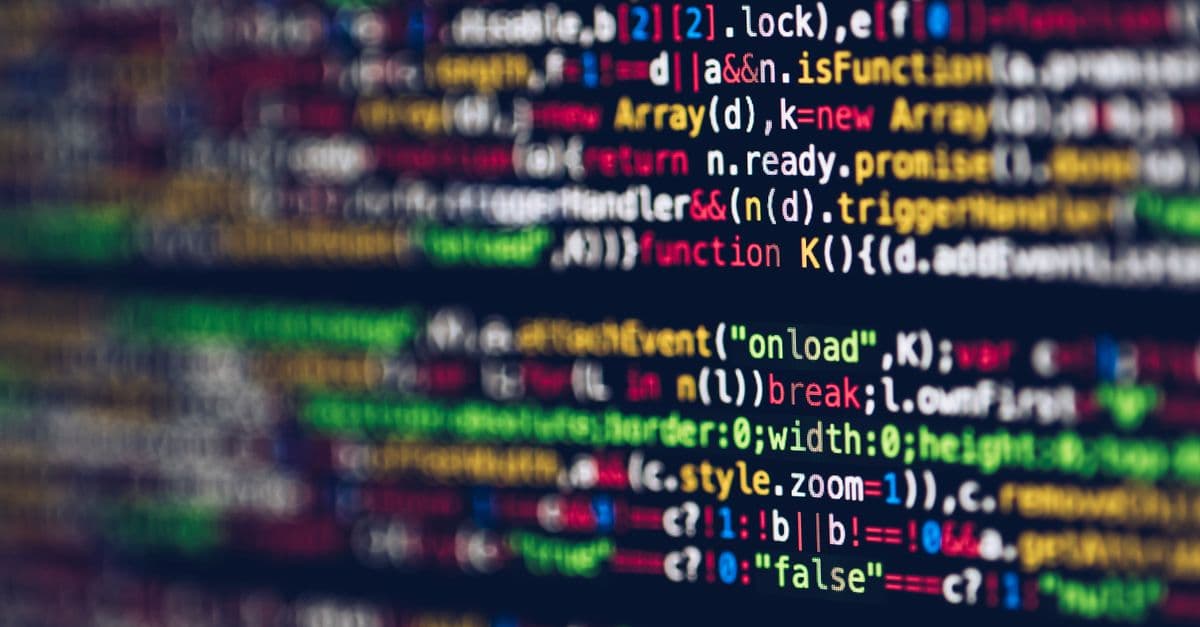
JavaScript is the language of the web browser, and that is the key to understanding it. Essentially every interactive thing you experience on a website, a button that responds when clicked, content that updates without reloading, animations, in-browser games, forms that react to you, is powered by JavaScript. If a web page does anything beyond just sitting there, JavaScript is usually behind it.
This gives JavaScript a very particular appeal for kids: instant, visual, interactive results that live in the browser, which is somewhere children already spend a lot of time. There is something motivating about building something that runs right there in the same browser they use every day, with no extra setup. JavaScript has also grown well beyond the browser over the years and is now used to build all sorts of applications, but its heart, and its biggest advantage for a young learner, is making web pages come alive.
In short, JavaScript is the language of interactivity and the web, with a fast, visual reward loop.
What are the head-to-head differences that matter?
Strip away the detail and a few practical differences guide the choice.
Readability for a beginner. Python has the edge here. Its syntax is cleaner and more forgiving, with less punctuation to trip over, which makes it slightly gentler for a true beginner's first text language. JavaScript is also beginner-friendly, but it has a few more quirks and a bit more punctuation that can confuse newcomers early on.
What it is best for. This is the real deciding factor. Python points toward AI, data science, general programming, and the logic behind apps. JavaScript points toward websites, interactive web experiences, and anything that runs in a browser. Neither is "better" in the abstract. They are aimed at different goals.
The reward loop. JavaScript can feel more immediately visual to a child, because results show up right in the browser, often with color and movement. Python's early projects tend to be more text-based at first, though it gets visual quickly too with the right tools.
Where it leads. Both lead to rich, real careers and capabilities. Python opens doors toward AI and data-heavy fields. JavaScript opens doors toward web and app development. A child can build a wonderful future on either.
How do you choose for your child?
Forget which language is "the best" and ask what your child is drawn to, because interest is the single strongest predictor of whether they will stick with it.
If your child is fascinated by AI, by how smart systems work, by data, numbers, science, or by building the logic of programs, lean toward Python. It is the natural home for those interests, and its gentle readability makes it a lovely first text language regardless.
If your child lights up at the idea of building websites, making interactive pages, creating things that run in the browser, or seeing visual results quickly, lean toward JavaScript. It connects directly to the web, where so much of what they care about already lives, and the instant browser feedback is motivating.
If you genuinely cannot tell, Python is the slightly safer default first pick for most kids, purely because its readability gives the gentlest on-ramp into text-based coding, and the thinking skills transfer to any language afterward. But this is a mild preference, not a rule. A web-obsessed kid will often be happier and more motivated starting with JavaScript, and motivation beats theoretical optimality every time.
Do they have to choose just one?
This is the reassuring part, and the honest one. No, and most kids who stick with coding end up learning both eventually.
Here is why it works out that way. The hardest part of learning to program is not the specific language, it is learning to think like a programmer: breaking problems down, reasoning in logical steps, debugging when things break. Those skills are universal. Once a child has built them in their first language, picking up a second is dramatically easier, because they are mostly just learning a new way to express ideas they already understand. The concepts carry over almost entirely.
So the choice of first language matters far less than parents fear. Pick the one that fits your child's interests today, let them build real momentum and confidence with it, and the second language will come more easily later when a project calls for it. A child who learns Python for AI might pick up JavaScript when they want to build a website. A child who starts with JavaScript for the web might learn Python when they get curious about AI. Both paths are great.
What actually matters most?
Whichever language your child starts with, the deciding factor in whether they thrive is not the language at all. It is whether they enjoy the experience and get good support when they hit the inevitable rough patches. A child wrestling with their first text language alone will eventually meet a confusing error and may quietly conclude that coding is not for them. A child who can ask a question and get unstuck keeps their momentum and their confidence, and goes on to learn whatever they need.
Frequently asked questions
Which is easier for a complete beginner, Python or JavaScript? Python has a slight edge for a true beginner, thanks to its clean, readable syntax and fewer punctuation quirks to trip over. JavaScript is also beginner-friendly, but Python is usually the gentler first text language.
Can my child learn both languages? Yes, and many kids who stick with coding do. The hard part is learning to think like a programmer, which only happens once. After the first language, picking up a second is far easier because the core concepts carry over.
Which is better for getting into AI? Python, clearly. Artificial intelligence and machine learning run almost entirely on Python, so a child aiming in that direction will want it. JavaScript is not the language of choice for AI work.
Which is better for building websites? JavaScript, paired with HTML and CSS. It is the language that makes web pages interactive, so a child focused on building websites and web apps will get the most out of starting there.
That is why we teach both Python and JavaScript through live classes rather than recorded videos at MindLeap Academy. We help kids aged 6 to 16 choose the right starting language for their interests and guide them through it with a real instructor who can untangle the confusing bits as they appear. If you are unsure which language suits your child, the easiest way to find out is to book a free trial class and see which one makes their eyes light up.
See your child light up with code
Book a free 1-on-1 trial class with an expert mentor. No credit card, no commitment.
Book a Free Trial Class