If you have decided your child should learn to code, you have immediately run into the next decision, and it is a confusing one. Do you buy a coding app and let them learn at their own pace? Find a local in-person class? Sign up for live online lessons? They all promise to teach your child to code, they cost wildly different amounts, and the marketing for each makes the other options sound like a mistake.
I want to give you a clear-eyed comparison, including the honest weaknesses of online classes, because the real answer is not "online is always best." It is "the right format depends on your child and your situation." Let us walk through what each option is actually good at, so you can choose with confidence instead of guessing.
What are the three real options?
When parents talk about teaching their kids to code, they usually mean one of three things, and they are genuinely different experiences.
There are self-paced apps and platforms, where your child works through lessons and puzzles on their own, learning whenever they like. There are in-person classes, where your child physically goes somewhere and learns with a teacher in a room. And there are live online classes, where your child joins a real teacher over video, often in a small group, on a schedule. People lump the last two together as "classes," but learning live from a real instructor is a very different thing from grinding through an app alone, so let us treat them separately.
Where do self-paced apps shine, and where do they fall short?
Coding apps have real strengths. They are usually the cheapest option, sometimes free, and they offer total flexibility, since your child can learn at midnight if they want. For a naturally self-motivated kid who is genuinely fascinated by coding, a good app can take them a long way.
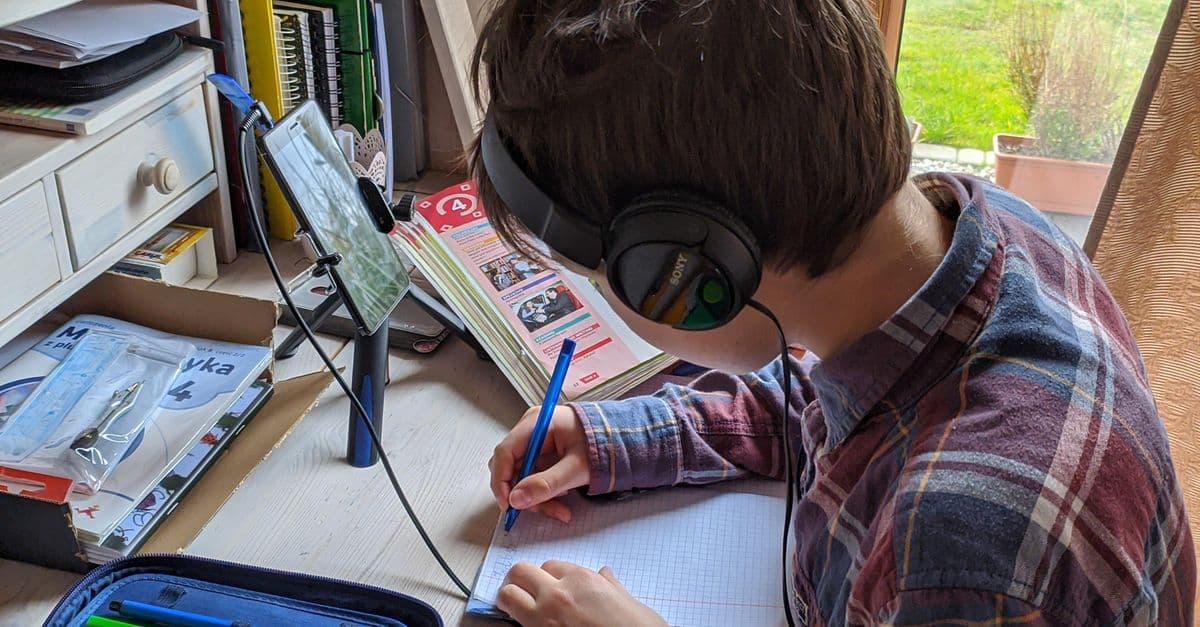
But here is the honest weakness, and it is a big one. Most kids are not relentlessly self-motivated, especially with something challenging. The pattern I see constantly is enthusiasm for a week or two, then a tricky concept or a stubborn error, and then the app quietly gathers dust. Apps cannot answer the specific question your confused child has at the exact moment they have it. They cannot notice that your child has misunderstood something fundamental and gently correct course. And they cannot provide the accountability that makes a child actually show up. The completion rates for self-paced learning, for kids and adults alike, are famously low. Not because the content is bad, but because learning hard things alone is just genuinely difficult to sustain.
Where do in-person classes shine, and where do they fall short?
In-person classes solve the motivation problem. There is a real teacher, real classmates, and a set time, all of which keep a child engaged and accountable. For some kids, the physical presence and social energy of a room are exactly what they need.
The weaknesses are practical. Your choices are limited to whatever happens to exist near you, which, depending on where you live, might be very little, especially for more advanced topics like AI or specialized languages. There is travel, which eats into family time and limits how often classes can happen. The cost is often higher because the school carries the overhead of a physical space. And the quality is capped by local talent, since you can only learn from teachers who happen to be in driving distance. A family in a smaller city or town can be genuinely stuck, with no strong local option at all.
Where do live online classes shine, and what is the real concern?
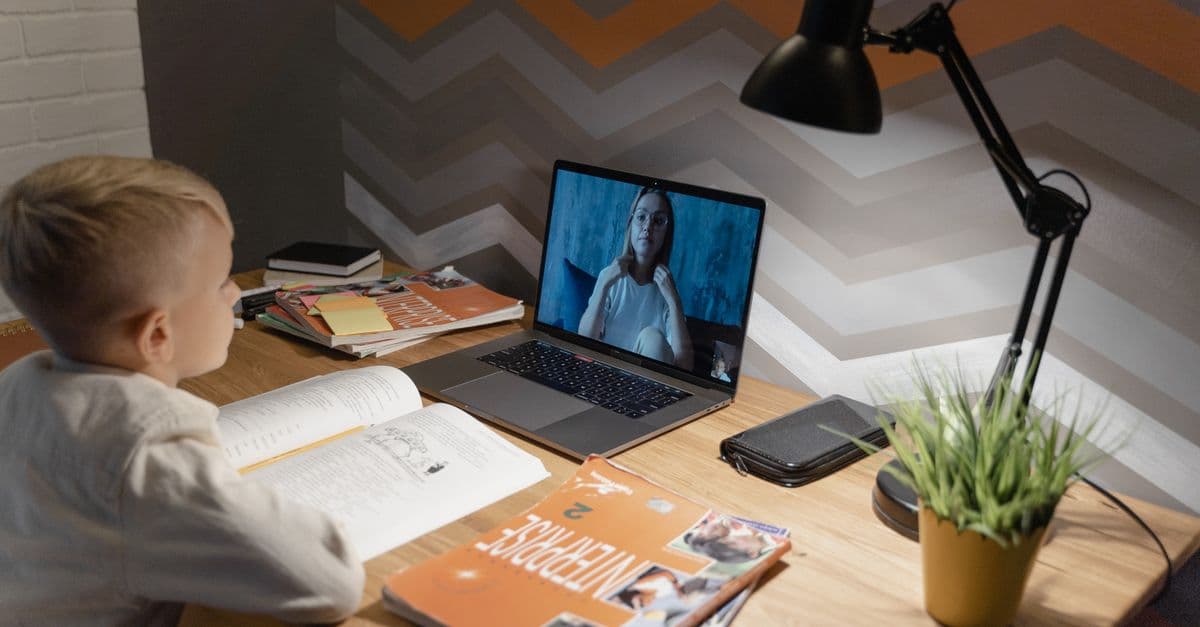
Live online classes try to combine the best of both, and to a real degree they succeed. You get a genuine teacher and the accountability of a scheduled class, like in-person learning, but without the geographic limits. That last point is bigger than it sounds. It means a child can learn from an excellent instructor regardless of where the family lives, which is a genuine equaliser. A student in a town with no coding school can have the same quality of teaching as one in a major city. For families abroad who want their child to learn from teachers who share their language and culture, online classes bridge a distance that would otherwise be impossible.
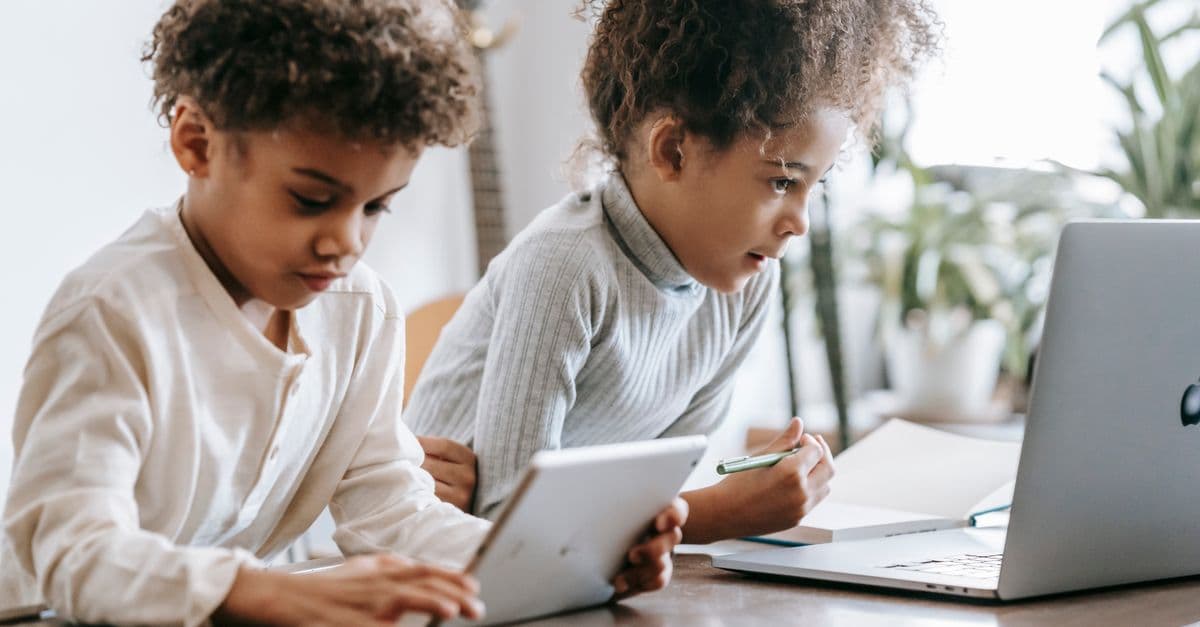
Small-group live classes also offer something self-paced apps simply cannot: a real human who can answer your child's specific question in the moment, notice when they are stuck, and adjust the pace to suit them. That responsiveness is the single biggest factor in whether a child keeps going or gives up, and it is the core reason live classes tend to produce far better results than apps.
Now the concern worth taking seriously, because I would rather be honest than salesy. Online classes mean more screen time, and plenty of parents are rightly trying to reduce that. It is a fair worry, so it deserves a fair answer. There is a meaningful difference between passive screen time, scrolling and watching, and active, creative screen time where a child is building something, thinking hard, and interacting with a real teacher and classmates. The screen is the same. What the child is doing with it is not. A live coding class is closer to a music lesson that happens to be on a screen than it is to an hour of mindless video. That said, if your child already spends heavy hours on screens, it is worth weighing, and a good program should be helping them create rather than just consume.
How should you actually choose?
Forget the marketing and ask yourself a few honest questions about your own child.
How self-motivated are they, really? If your child is the rare type who will independently grind through lessons for the love of it, a good app might genuinely be enough, at least to start. For the large majority of kids who need a bit of structure and a human to answer their questions, a live class will serve them far better.
What is actually available where you live? If you happen to have an excellent in-person coding school nearby that teaches what your child wants to learn, that is a wonderful option, and the in-person social element suits some kids beautifully. If you do not, which is the reality for most families, especially for advanced or AI-focused learning, live online classes give you access to quality you could not otherwise reach.
Does your child do better with accountability and feedback? Almost all do. The presence of a real teacher who notices them, answers them, and expects them to show up is the thing that turns good intentions into real progress.
So are online coding classes worth it?
Are online coding classes for kids worth it? For most families, yes, and the reason is not that they are flashy or convenient. It is that live online classes deliver the thing that actually drives learning, a responsive human teacher, without the geographic limits that hold so many families back. They tend to beat self-paced apps on results because most kids do not learn hard things well alone, and they beat in-person classes on access because your child is not limited to whatever happens to exist nearby.
The format only earns the "worth it," though, if the classes are genuinely live and genuinely small, with a real teacher who knows your child rather than a recorded video dressed up as a class. That distinction is everything.
That is exactly the model we built at MindLeap Academy: live online classes for ages 6 to 16, taught by real instructors in small groups, so every child gets attention, answers, and accountability no matter where they are. The best way to judge whether it suits your child is to see it directly. You can book a free trial class and watch a real lesson in action before deciding anything.
See your child light up with code
Book a free 1-on-1 trial class with an expert mentor. No credit card, no commitment.
Book a Free Trial Class