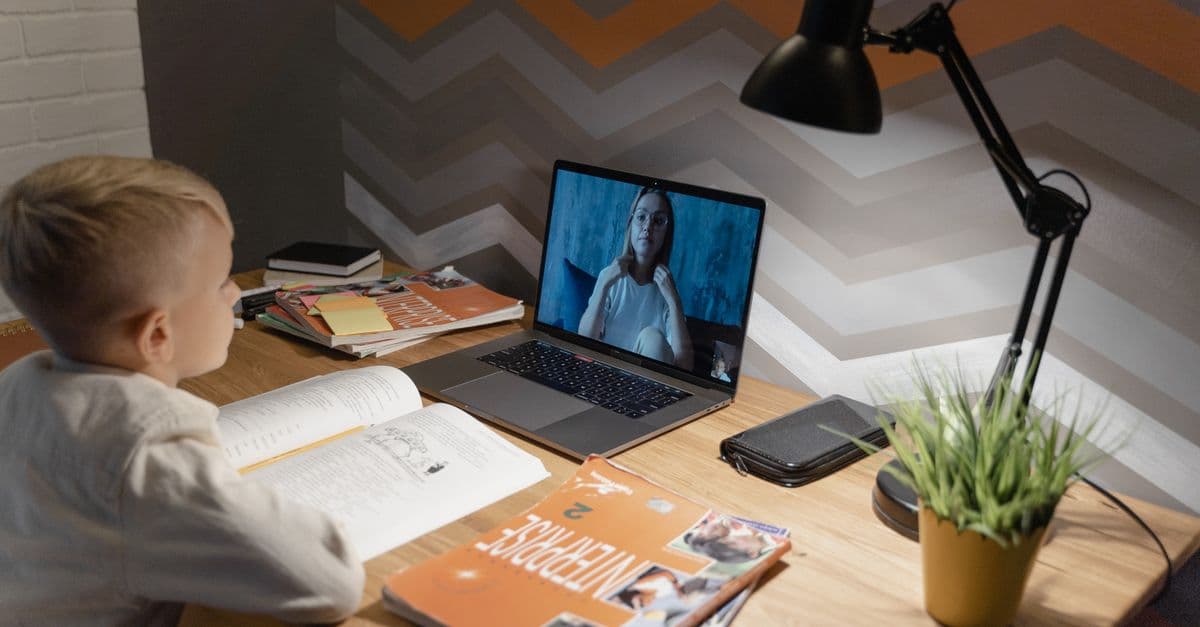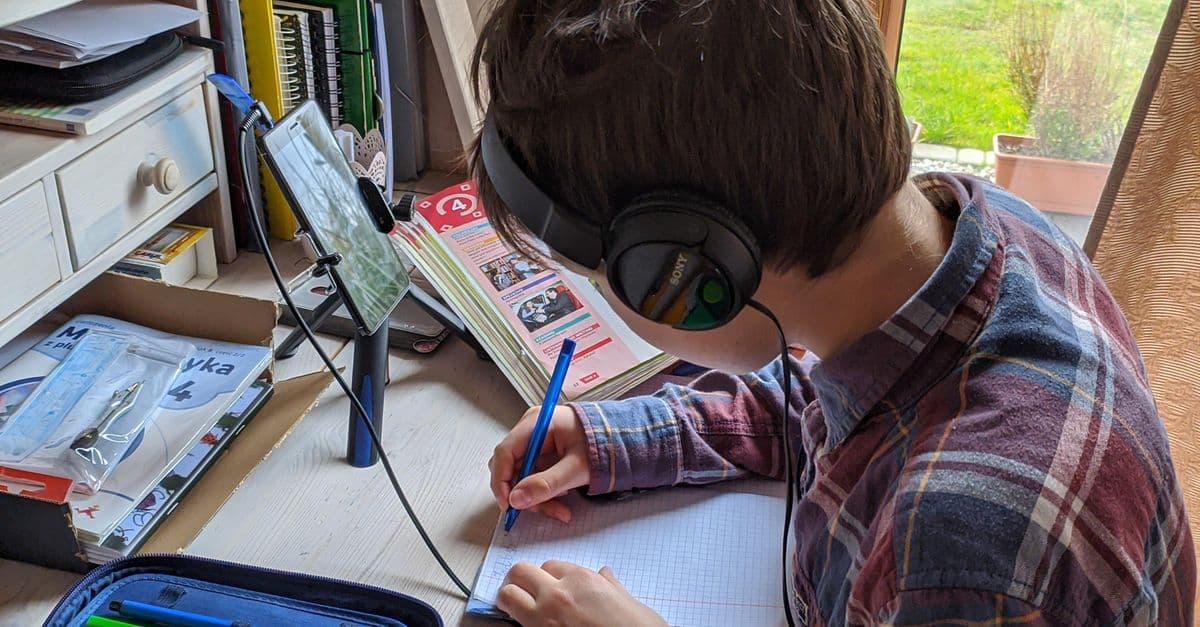
You can see the value of coding clearly. The problem is your child, who responds to the suggestion with a shrug, an eye-roll, or a flat "that sounds boring." It is one of the more frustrating parenting situations: you know something would be good for them, and the harder you push, the more they dig in.
Here is the reassuring truth. Most kids are not actually uninterested in coding. They are uninterested in their idea of coding, which they probably picture as dull, hard, and a bit like extra math homework. Change the picture, connect it to something they already love, and a lot of reluctant kids turn into enthusiastic ones. The secret is almost never pushing harder. It is finding the right door. Here is how.
Why does "you should learn to code" fall flat?
When you tell a child they should learn coding, here is roughly what they hear: more work, more sitting still, more being told what is good for them. None of that is appealing to a kid, and the framing positions coding as a chore to be endured rather than a thing to be excited about.
The fix is to stop selling coding as a worthy skill and start showing it as a way to make cool stuff. Children are not motivated by "this will help your future career." They are motivated by "you could build your own game" or "you could make this thing you love do something new." Lead with creation and fun, never with duty. The career benefits are real, but they are the least persuasive thing you can say to a ten-year-old.
How do you connect coding to what they already love?
This is the single most effective strategy, and it works almost every time. Whatever your child is already obsessed with is your way in, because coding connects to nearly everything.
If they love a particular game, the hook is building their own version or modding the one they play. If they love art and design, coding can be wildly creative, making animations, designing websites, generating digital art. If they love stories, they can build interactive stories where the reader chooses what happens. If they love music, there are coding tools for making beats and songs. If they love sports, they can build a game, a quiz, or a stats tracker about their team. If they are into science or animals or space, they can build projects around those.
The point is to never present coding as its own separate, abstract thing. Present it as a tool for doing more of what they already enjoy. "You like drawing? Did you know you can write code that makes art?" lands a hundred times better than "coding is a useful skill."
Why should the first experience be a quick win?
Nothing kills budding interest like a slow, confusing start. If a child's first taste of coding is fiddly setup, abstract concepts, and no visible result, they will conclude it is boring before they have really begun. Conversely, if their first experience produces something they can see and play with in minutes, they get hooked.
This is why tools like Scratch are such brilliant on-ramps for younger kids. Within a few minutes, a child can make a character move, talk, and react, all visible and fun and theirs. That fast feedback loop, do something, see it happen, is genuinely delightful, and it is what flips curiosity into engagement. Aim for your child's first coding experience to be short, playful, and rewarding, not comprehensive. You want them to walk away thinking "that was fun, can I do more?" rather than "that was a lot."
Why should you let them lead?
Kids care far more about things they chose than things chosen for them. So once your child shows even a flicker of interest, hand them the steering wheel. Let them decide what to build. Let them make a game about whatever ridiculous thing they want, with whatever silly characters and rules they dream up. Let them make their website about their favorite obscure topic.
This sense of ownership is rocket fuel for motivation. A project a child chose and cares about will hold their attention through difficulty that would make them quit on an assigned exercise. Your job is not to direct the creativity, it is to enable it and then get out of the way. The messier and more personal their first projects, the better, because it means the interest is genuinely theirs.
How do you resist the urge to take over?
Here is a trap loving parents fall into constantly. Your child gets stuck, gets frustrated, and you, wanting to help, jump in and fix it for them. It feels supportive, but it quietly undermines the whole thing, because it sends the message that they could not do it themselves, and it robs them of the triumph of working it out.
The far more powerful move is to ask questions instead of giving answers. "What do you think that part is doing?" or "what have you tried so far?" keeps them in the driver's seat and builds the exact problem-solving confidence that makes coding rewarding. The feeling of "I was stuck and I figured it out" is what hooks kids on coding, and you cannot give them that by solving it for them.
Why does making it social help?
A lot of kids imagine coding as a lonely activity, a person hunched alone over a keyboard, and for many children that image is genuinely off-putting. The reality of how kids learn coding best is far more social, and leaning into that helps enormously.
Coding alongside other kids, sharing what they have made, playing each other's games, and learning together turns it from an isolating task into a social, almost playful experience. The motivation of showing a friend something you built, or of building something with others, is powerful. If your child is the kind who is energised by people rather than solitude, the social dimension might be the very thing that gets them over the line, where solo tutorials never could.
Why be patient rather than force it?
A gentle but important note. If you push too hard, you risk turning coding into a battleground, and a child who associates coding with parental pressure and conflict will resist it on principle, even if they might otherwise have loved it. The goal is to spark genuine interest, not to win a power struggle.
So plant seeds rather than issuing demands. Expose them to fun examples, connect it to their passions, make a first try available and low-pressure, and then let their own curiosity do the work. Some kids catch fire immediately. Others need the idea to sit for a while before they come around. Both are fine. Interest that grows from the child's own curiosity is far stronger and more durable than anything forced, so play the long game.
When does the environment make the difference?
Often the missing ingredient is not your child's interest at all, it is the right setting to discover it. A great first experience, one that is fun, social, produces a quick win, and has a friendly guide to keep frustration from setting in, can ignite enthusiasm that a child never knew they had. Many "uninterested" kids simply never had that experience.
That is exactly what we try to create at MindLeap Academy. Our live online classes for ages 6 to 16 are built around making coding genuinely fun, connecting it to what kids love, getting them to a satisfying creation fast, and surrounding them with a real teacher and other young learners rather than leaving them alone with a tutorial. If your child is on the fence, the lowest-pressure way to find their spark is to book a free trial class and let them discover that coding is not what they imagined.
See your child light up with code
Book a free 1-on-1 trial class with an expert mentor. No credit card, no commitment.
Book a Free Trial Class