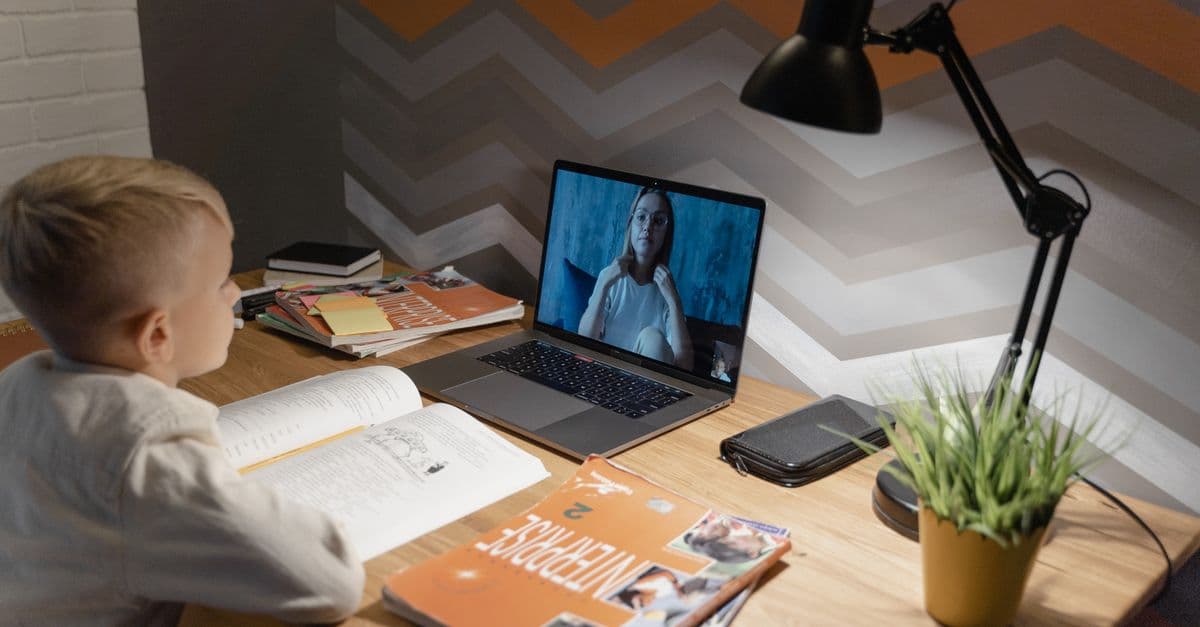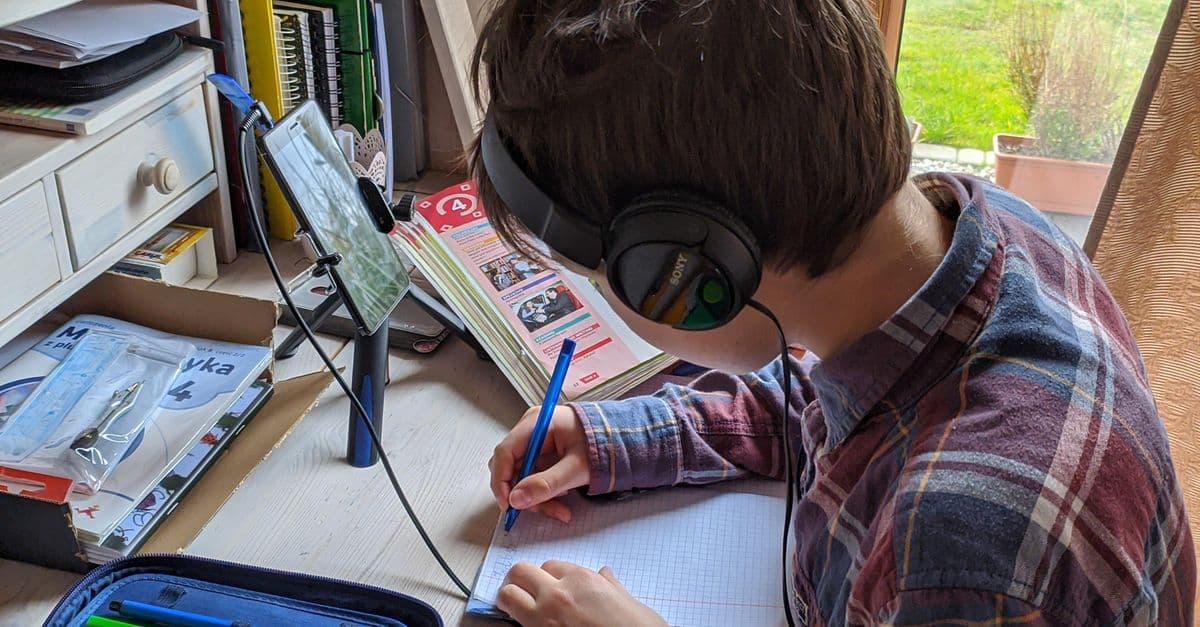
Your child will probably do one this December, come home mildly pleased with a dancing character they programmed, and never mention it again. That is the normal outcome, and it is worth understanding why before you decide whether it meant anything.
The Hour of Code is genuinely good at the job it was built for. The problem is that most people, schools included, treat it as an introduction to coding when it is closer to a taster. Knowing the difference tells you what to do next, which is the only part that actually matters.
What is the Hour of Code?
A single hour of guided computer science activity, designed so that a teacher with no coding background can run it and a child with no experience can finish something. It is organized by Code.org and runs in schools worldwide, with no downloads, no accounts and no prior knowledge required.
The scale is the point. It was built to be the lowest possible barrier to a child's first contact with programming, which is why the tutorials are short, visual, and almost impossible to fail. The official Hour of Code site now lists more than 250 activities covering "every grade level and learning context", and states plainly that it suits "Any classroom. No experience required."
That design is a strength and a limit at the same time. An activity that cannot be failed also cannot demand much, and an hour that assumes nothing has to spend most of itself establishing the basics.
When does it happen?
During Computer Science Education Week, which runs December 7 to 13. Most schools schedule theirs in that window, which is why a lot of parents hear about coding for the first time in early December and nowhere else in the year.
You are not restricted to that week. The activities are online all year and work perfectly well in February, which matters if your child's school does not run one or if yours came home wanting to do it again. The December date is a coordination device for schools rather than a requirement.
Why is it called the Hour of AI now?
Because the campaign has shifted its focus. The official site now leads with the Hour of AI, framing it as "AI is already part of every student's world" and offering "a first step toward actually understanding it."
This catches a lot of parents out, and quite a few blog posts too. If you go looking for the Hour of Code and find something about AI, you have not landed in the wrong place. The classic activities are still there, including the Minecraft tutorials and Dance Party, alongside newer ones like AI for Oceans and Mix & Move with AI.
Whether that shift is good depends on the activity. The best AI ones show a child that a model learns from examples, which is a genuinely important idea and hard to convey any other way. The weaker ones are a normal tutorial with AI in the title.
Does one hour actually teach a child to code?
No, and there is research on exactly this. A 2016 study in the Journal of Information Technology Education by Du, Wimmer and Rada tested participants before and after an Hour of Code tutorial and found "the positive impact of the Hour of Code tutorial on students' attitude toward programming." It also found that "the students' programming skills did not significantly change."
That is the whole thing in one sentence. The hour moves how a child feels about coding. It does not move what they can do.
One caveat worth stating: that study used undergraduates at two universities, not children, so treat it as a strong indication rather than proof about your nine-year-old. It matches what the format would predict though. Sixty minutes of guided steps is enough to change somebody's mind about whether coding is for them, and nowhere near enough to teach a skill.
Read that as an endorsement rather than a criticism. Changing a child's mind about whether they could do something is genuinely hard, and an hour that manages it has done more than most hours of school. It is just not the thing most parents think they are getting.
So what is the hour actually for?
It is a test, and you are the one who should be reading the result. The useful question is not what your child learned, it is whether they wanted more when it stopped.
That reframing changes what you pay attention to. A child who completed the tutorial and shrugged has told you something true and useful: this is not their thing right now, and pushing will not change that. A child who finished early and started changing things to see what broke has told you something entirely different, and that signal is easy to miss if you were only asking whether they enjoyed it.
Almost every child enjoys it. Enjoyment is not the signal. Wanting to keep going is.
What should you do the day after?
Nothing structured, at first. Let them show you what they made and ask one question: what would you change if you did it again? The answer tells you more than the hour did.
If they have an answer and want to try it, the next step is another hour, not a course. Code.org's own site has a "Go beyond an Hour of AI" section pointing at longer material, and Scratch is free and open-ended in a way an hour-long tutorial cannot be. Two or three more sessions over a few weeks will tell you whether the interest is real or was mostly the novelty.
If it survives that, then a course makes sense, because the thing a course provides is the bit an hour structurally cannot: somebody noticing what your child finds hard and adjusting. Our Junior Track is 32 weeks, 64 live classes and 32 projects, with two project options every week so the mentor can match the child. That is the opposite shape to an Hour of Code, and deliberately so.
If the interest does not survive, you have lost nothing and learned something. Try again next December.
Can you do it at home if the school does not run one?
Yes, and it takes about as long as a film. The activities are free, need only a browser, and are designed so that an adult who has never written a line of code can sit alongside a child and be useful.
Doing it at home has one real advantage over the classroom version. In a class of thirty, a child who finishes early waits, and a child who gets stuck often stays stuck until the hour ends. At the kitchen table you can follow whichever of those happens, which is the entire difference between an hour that ends and an hour that turns into three.
Pick something that matches what they already like rather than what sounds most educational. A child who plays Minecraft should do the Minecraft tutorial. Our guide to Minecraft coding games goes further into what that particular route teaches and where it stops.
How do you tell if it worked?
They bring it up again without being asked. That is the whole test, and it usually happens within about a week or not at all.
Everything else is noise. Not whether they finished, not whether the teacher said they did well, not whether they enjoyed the hour, because nearly all of them do. The children who go on to code are the ones who were still thinking about it on Saturday.
If that is your child, the useful next move is a free trial class, which is one live session with a mentor, no card details and no commitment. Bring whatever they made in their hour. A first lesson that starts from something the child already built beats one that starts from a blank screen.
See your child light up with code
Book a free 1-on-1 trial class with an expert mentor. No credit card, no commitment.
Book a Free Trial Class